
Quality Internet Solutions Ltd provides professional website design in Llandudno for businesses, organisations and professionals looking to improve their online presence. Based in Llandudno, North Wales, our experienced web design and development team creates responsive, SEO-friendly websites tailored around the needs of each client.
Our mission is to create stunning, responsive websites that cater specifically to your business goals and user needs. Our expert team utilises the latest technologies and design principles to ensure your website is not only visually captivating but also functionally robust. We specialise in crafting bespoke solutions for every client, whether you need a simple informational site or a complex e-commerce platform. Partner with us to build your online presence that stands out in today’s digital landscape.
Professional Website Design in Llandudno
- Llandudno SMEs and established companies
- Hotels and tourism businesses
- Trades and professional services
- Retail and e-commerce
- Accountants and financial businesses
- Property companies
- Hospitality
- SEO for Dentists
- New businesses requiring their first website
The geographical context can naturally extend into Conwy, Deganwy, Rhos-on-Sea, Colwyn Bay and the wider North Wales area without turning the page into a list of place names.
A Llandudno Web Design Company With Over 20 Years’ Experience
Quality Internet Solutions Ltd is based in Llandudno and has been working in website design, development, SEO and digital marketing for more than two decades. Being locally based means businesses in Llandudno and Conwy can work directly with a web team that understands both the local market and the wider requirements of building a successful online presence.
Here’s a breakdown of the process:
Website Design: This phase focuses on a website’s aesthetics and usability. It involves crafting a visual appeal that aligns with the brand while ensuring the layout is intuitive for users. Web designers use design principles and user experience strategies to create engaging and accessible websites.
Development: This includes coding and building the website, turning the design into a functioning site through HTML, CSS, JavaScript, and other technologies. The development process ensures the site is responsive, fast, and compatible with all devices and browsers.
Migrating to a New CMS: For clients looking to enhance their website’s manageability and scalability, we handle CMS migrations. This involves moving the site’s content and functionality to a more robust, user-friendly content management system, which facilitates easier updates and better content distribution.
Compliance: We ensure all our websites meet W3C accessibility and coding standards and Google’s SEO best practices. Adhering to these standards helps improve site accessibility, enhance user experience, and optimise search engine performance.
Our comprehensive approach ensures that every website we craft not only meets but exceeds client expectations, focusing on performance, compliance, and innovation.
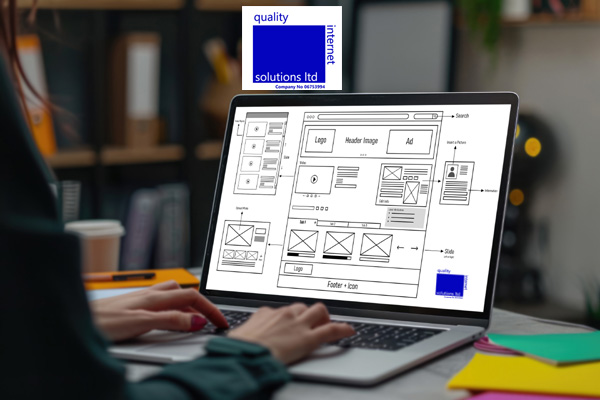
What types of Websites do we work with?
At Quality Internet Solutions Ltd, as we navigate 2025, we continue to leverage and customise a variety of Content Management Systems (CMS) to meet the specific needs of our clients.
Whether you’re looking for the versatility and extensive customisation capabilities of WordPress for your corporate site or blog, the robust e-commerce features of Joomla and Magento, or the sleek design options of Squarespace for your creative portfolio, we provide expert guidance and implementation.
Additionally, platforms like Shopify offer comprehensive e-commerce support ideal for growing online stores, while Ghost delivers speed and simplicity for focused content publishers. Our team ensures that each CMS solution not only meets but exceeds the functional and aesthetic expectations of your business, emphasising performance, scalability, and user-friendliness.
CMS Websites Overview
WordPress continues to dominate as a versatile platform for everything from blogs to complex corporate websites. Its vast plugin ecosystem and theme selection make it highly customizable.
Joomla: Known for its flexibility and powerful content management capabilities, Joomla is favoured for e-commerce and social networking sites.
Drupal: Ideal for complex, data-driven websites requiring detailed content organisation and robust user permissions.
Shopify: As e-commerce continues to grow, Shopify remains a go-to for online stores, providing extensive support for e-commerce functionalities.
Magento: Also a strong choice for e-commerce, known for its scalability and features that cater to larger retail businesses.
Wix: Appeals to beginners with its user-friendly drag-and-drop interface, while offering sufficient customisation options for more advanced users.
Squarespace: Praised for its sleek templates and intuitive design capabilities, perfect for creatives looking to showcase portfolios.
Ghost: A rising star for bloggers, focusing on simplicity and speed, ideal for publishers who need a streamlined, focused content approach.
Each CMS comes with its own set of strengths and is suited to particular types of projects, from simple blogs to complex e-commerce ecosystems.
So, What is Website Design?
Website design encompasses the process of creating, conceptualising, and arranging content online. Today, designing a website goes beyond aesthetics to consider the website’s overall functionality. It involves the layout, user interface, and other visual imagery to ensure the site is visually engaging and usable. Website design significantly impacts the web’s user experience (UX), so it’s essential to balance aesthetic elements with functional, user-friendly interfaces. Effective website design ensures a site is not only visually appealing but also accessible and easy to navigate, improving user interaction and engagement.